

★ Key takeaways
- Stronger neck and upper-back muscles help the neck tolerate daily load.
- Simple, regular exercises matter more than occasional hard sessions.
- Posture and movement habits support the strengthening work.
- Neck pain with arm symptoms or numbness should be assessed.
Sitting at a desk all day might seem harmless, but over time, it can take a serious toll on your neck. Hours spent hunched over a computer or looking down at a phone put constant strain on the neck muscles, leading to stiffness, discomfort, and even chronic pain. Poor posture, like slouching or craning the head forward, only makes things worse, putting extra pressure on the spine and surrounding muscles. What starts as a minor ache can quickly turn into persistent tension, headaches, and reduced mobility.
Ignoring these issues doesn’t just affect comfort, it impacts productivity, focus, and overall well-being. A weak, stiff neck can lead to fatigue, limit movement, and increase the risk of long-term posture-related problems. The strain won’t go away on its own, but strengthening the neck muscles can help. With the right exercises, it’s possible to reduce tension, improve posture, and prevent recurring pain before it becomes a bigger issue.
Benefits of Neck Strengthening Exercises
Here are the reasons why neck strengthening is important:
Improves Posture and Reduces Strain from Daily Activities
A strong neck plays a important role in maintaining good posture, especially for those who spend long hours at a desk or looking down at screens. Weak neck muscles can lead to slouching, forward head posture, and unnecessary strain on the spine. Strengthening these muscles helps support the head properly, reducing stress on the shoulders and upper back, making everyday movements more comfortable and less tiring.
Helps Prevent and Alleviate Neck Pain and Stiffness
Neck pain and stiffness are common issues, often caused by poor posture, prolonged sitting, or previous injuries. Strengthening the neck muscles helps distribute weight and pressure more evenly, preventing excessive strain on any one area. Stronger muscles also improve blood circulation, reducing muscle tightness and stiffness, which can help relieve discomfort and improve mobility over time.
Enhances Stability for Sports and Physical Activities
Athletes, particularly those in contact sports like rugby, boxing, and AFL, rely on neck strength for better head and spinal stability. A strong neck absorbs impact more effectively, reducing the risk of whiplash and other injuries. Even in non-contact sports like swimming, cycling, and running, a stable neck helps maintain proper alignment and endurance, preventing fatigue and strain during performance.
Reduces the Risk of Tension Headaches and Spinal Misalignment
Weak neck muscles often lead to muscle imbalances, which can put excessive pressure on the cervical spine and nerves. This misalignment can contribute to tension headaches, dizziness, and even nerve pain radiating down the arms. Strengthening the neck muscles promotes better spinal alignment, reducing the likelihood of these issues and improving overall well-being.
Not sure what is safe to do right now? A physio can tell you in one visit.
8 Effective Neck Strengthening Exercises
Most neck pain is about how you load and move through the day, not lasting damage.
Strengthening your neck muscles can improve your posture, reduce strain, and help you avoid discomfort, especially from long hours at a desk or poor posture. Here are some easy yet effective exercises to help build neck strength.
1. Chin Tucks
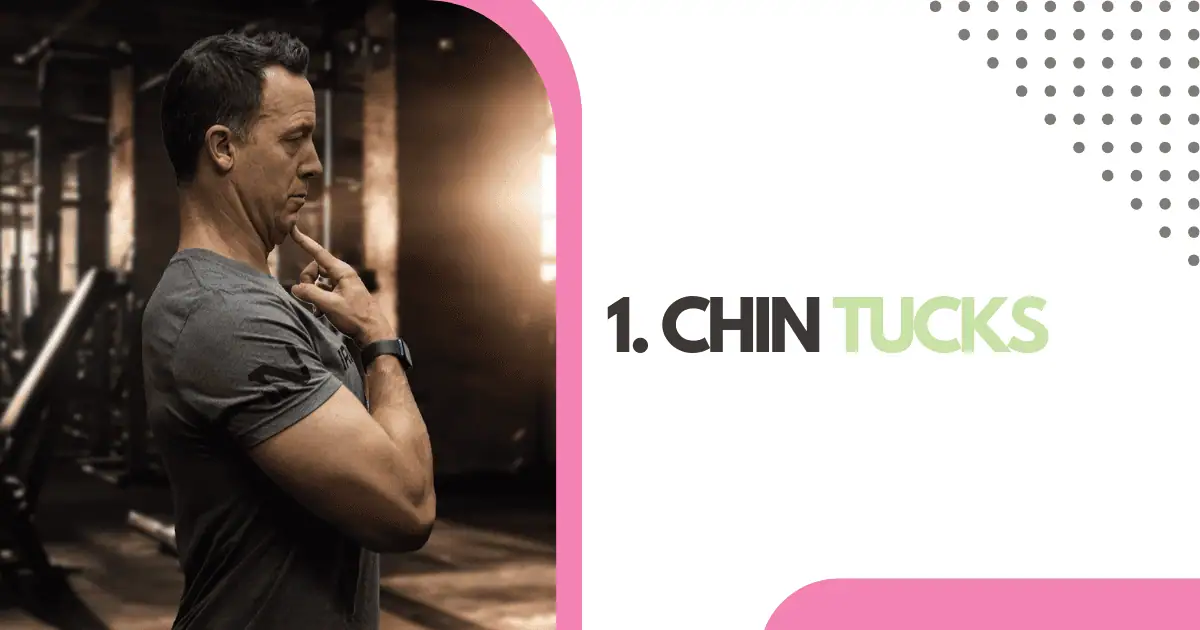
Chin tucks are fantastic for improving posture and strengthening the muscles that support your head. They’re particularly helpful for counteracting the strain caused by looking at screens for long periods.
How to do it:
- Sit or stand tall with your shoulders relaxed.
- Slowly tuck your chin towards your chest, as if trying to make a double chin.
- Keep your head level, don’t tilt it down.
- Hold for a few seconds, then relax.
- Repeat 8–10 times.
2. Isometric Neck Holds
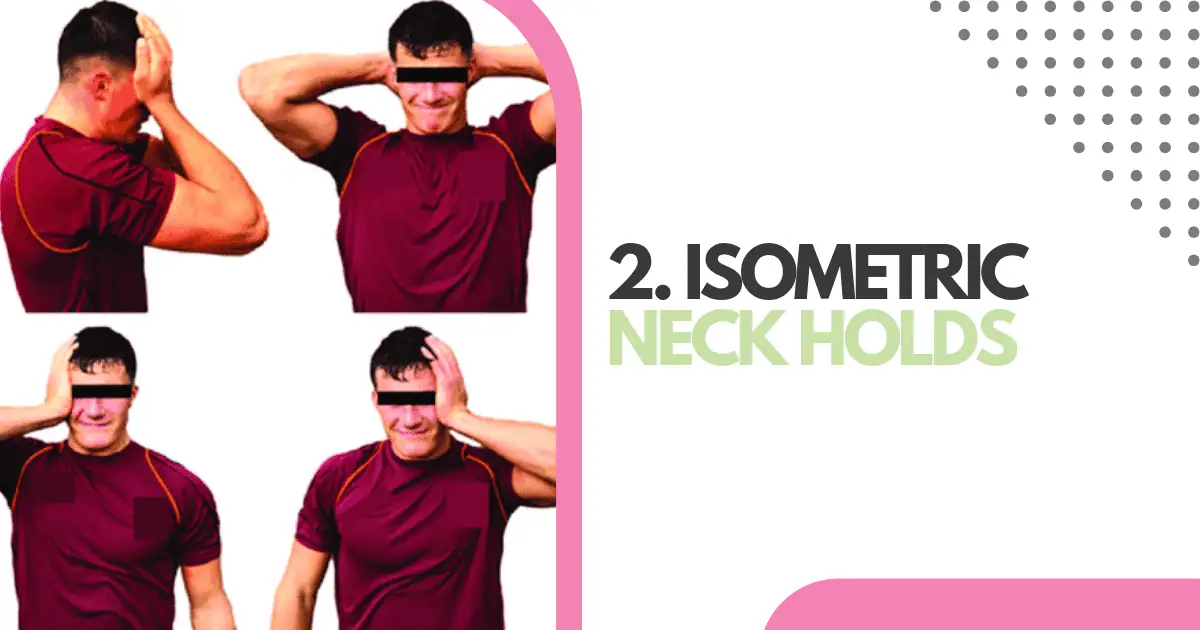
This exercise strengthens your neck by using resistance to engage your muscles, without needing to move your head.
How to do it:
- Sit up straight and press your palm against your forehead.
- Push your head forward while resisting with your hand, keeping your head still.
- Hold for 5–10 seconds, then relax.
- Repeat three times, then do the same with your hand on the sides and back of your head.
3. Isometric Head Nods
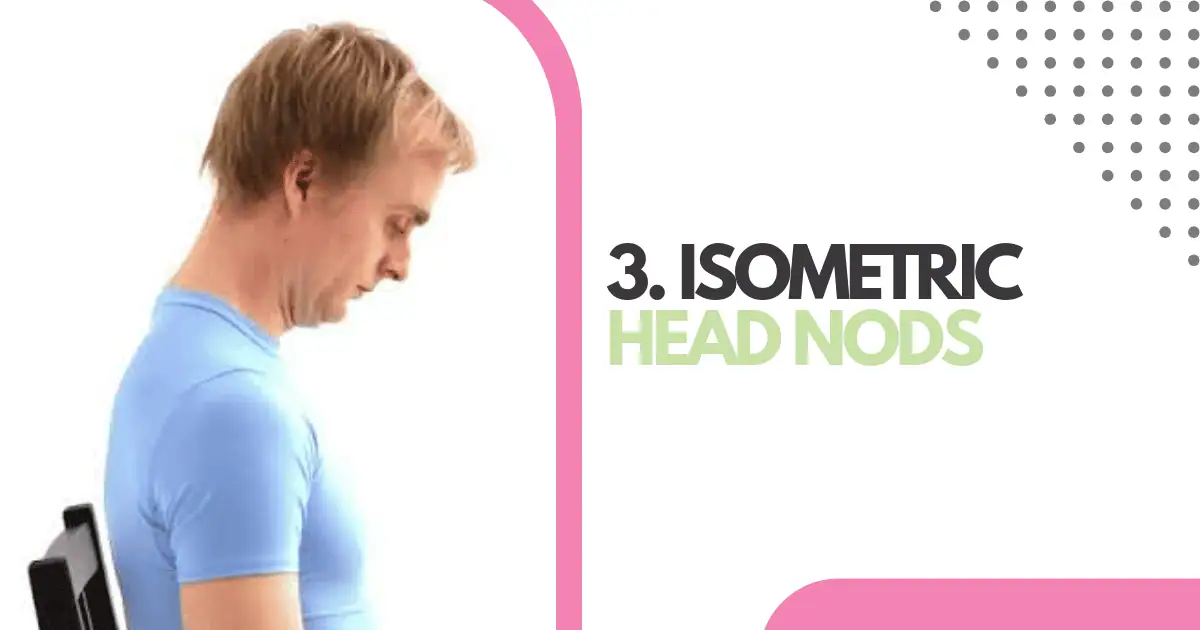
This exercise strengthens the muscles responsible for head movements, promoting better stability.
How to do it:
- Lie on your back with your knees bent and feet flat on the ground.
- Place one hand on your forehead.
- Try to nod your head forward while resisting the movement with your hand.
- Hold briefly, then relax.
- Repeat with your hand at the back of your head, resisting as you try to tilt backward.
4. Bent-Over IYT Raises
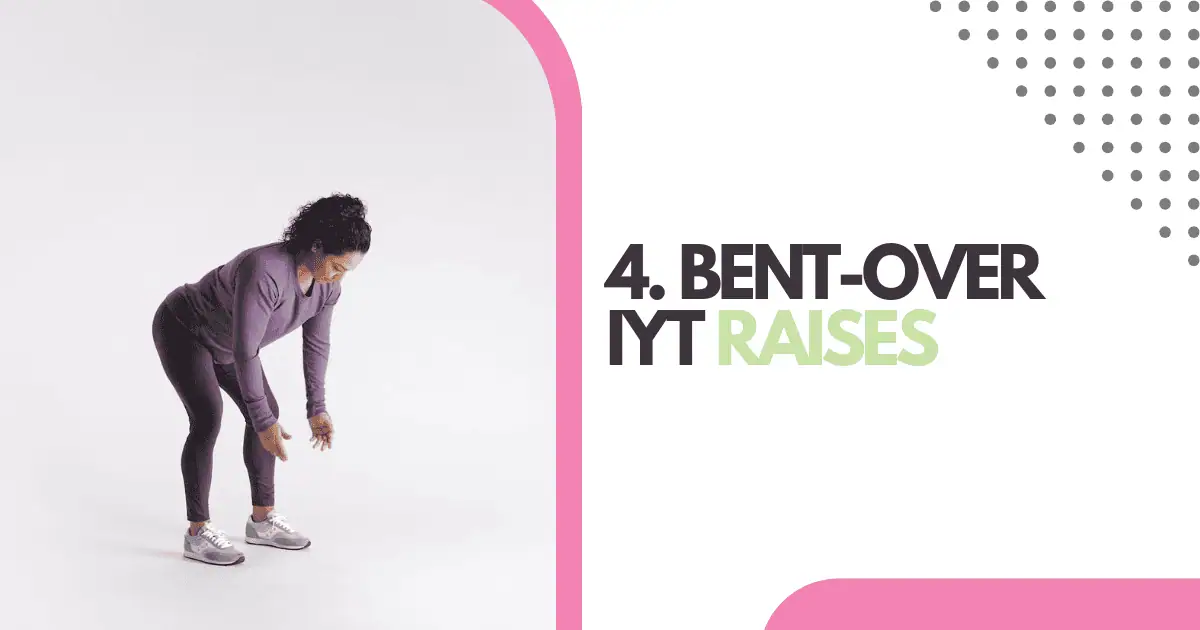
This exercise targets your upper back and neck muscles, improving posture and relieving tension from slouching.
How to do it:
- Stand with your feet hip-width apart and knees slightly bent.
- Hinge forward at your hips, keeping your back straight.
- Raise your arms into an ‘I’ position, then lower them.
- Next, raise your arms into a ‘Y’ shape, then a ‘T’ shape.
- Perform 10–12 reps of each.
5. Plank Hold
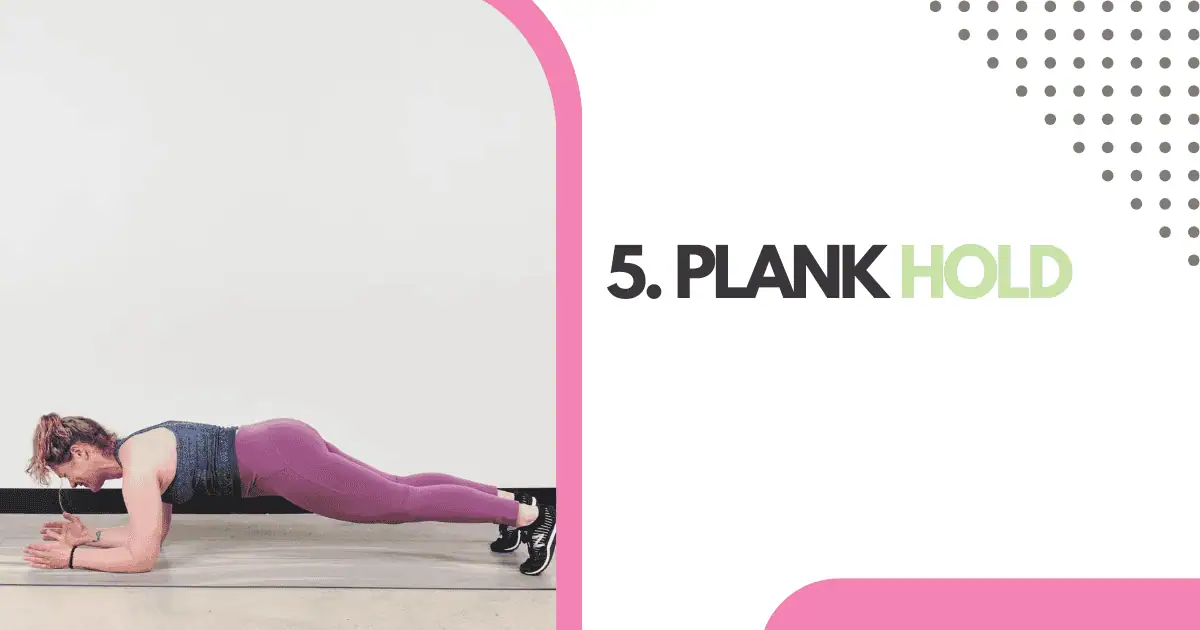
While planks mainly target your core, they also engage your neck and upper back, helping to keep your posture aligned.
How to do it:
- Get into a forearm plank position, keeping your body in a straight line.
- Keep your neck in a neutral position, don’t let your head droop.
- Hold for as long as you can, aiming for 20–30 seconds to start.
6. Shoulder Blade Squeeze

Your upper back is key to keeping your neck stable. Strengthening the muscles between your shoulder blades can ease tension and act as a great neck exercise for relieving pain.
How to do it:
- Sit or stand up straight.
- Squeeze your shoulder blades together like you’re trying to hold a pencil between them.
- Hold for 5 seconds, then relax.
- Repeat 10 times.
Adding this move to your routine can help build strength in your neck and upper back, which is especially helpful if you’re dealing with neck pain or doing physical therapy.
7. Neck Retractions with Resistance Band

Want to make your neck exercises even more effective? Adding some resistance can help strengthen your neck muscles and make them more resilient.
How to do it:
- Loop a resistance band around something sturdy, like a post, at shoulder height.
- Grab the band with both hands and step back until there’s some tension.
- With your back straight, gently pull your head back against the resistance.
- Hold for about 5 seconds, then relax.
- Repeat 10 times.
This move not only helps with neck pain but also works your upper back muscles, giving your neck a more thorough workout.
8. Levator Scapulae Stretch

Having strength is great, but without flexibility, it can lead to stiffness. One muscle that often contributes to neck pain when it’s tight is the levator scapulae. Here’s a simple stretch to target it:
- Sit or stand up straight.
- Tilt your head to one side, bringing your ear toward your shoulder.
- Gently pull your head down with your hand until you feel a stretch on the opposite side of your neck.
- Hold for 20-30 seconds, then switch sides.
Adding this stretch to your routine can help reduce tension and pain, working great alongside your neck strengthening exercises.
Why is Neck Strengthening Important?
Skipping neck strengthening exercises can lead to long-term pain, limited movement, and affect your overall quality of life. When you make these exercises part of your daily routine, you’re not just dealing with neck pain, you’re stopping it before it starts. Just keep in mind that consistency is important. These exercises aren’t a quick fix, but a long-term way to keep your neck healthy and pain-free.
Strengthen Your Neck, Improve Your Life!
Strengthening your neck muscles is essential for a healthier, pain-free future. Regular exercises can help reduce tension, improve posture, and prevent discomfort from becoming chronic. By staying consistent, you’ll feel the difference in your movement and overall well-being. Don’t wait for pain to escalate, start today and take control of your neck health.
If you’re dealing with neck pain or need expert guidance, Switch Physiotherapy is here to help. Our experienced team can create a tailored plan to strengthen your neck safely. Visit and book your consultation today at one of our clinics near you: Penshurst, Maroubra, Concord, Lane Cove, Rouse Hill, Menai, or Gladesville.
FAQs
What is the best exercise for neck strength?
Quickly press your head back and forth against each hand. These neck exercises help strengthen your neck muscles and enhances flexibility for frequent head movements. Keep your head in a neutral position, with knees bent and feet flat on the floor. For added support, place a neck roll or rolled-up towel under your neck.
What is done first in neck exercise?
Start the exercise by lifting your head, as if you’re trying to look straight up and forward. You should not feel any pain in your neck or tingling in your arms as you raise your head. This is a great neck exercise at home to help improve strength and mobility without putting unnecessary strain on your muscles.
Are neck exercises good for neck pain?
Neck pain is often caused by poor posture, which places added strain on the neck muscles, irritates the joints, and leads to discomfort. Regular exercises and neck stretches can help alleviate pain, improve mobility, and strengthen the neck and posture-related muscles. There are many potential causes for neck pain, making it a common issue for many people.
Should I stretch my neck everyday?
To help prevent or ease stiffness and pain, incorporate simple neck stretches and neck muscle exercises into your routine throughout the day. Regular stretching and strengthening can improve flexibility, increase blood flow, and reduce muscle tension, making it easier to maintain a comfortable range of motion. Even just a few minutes of stretching and exercises can make a big difference in preventing discomfort and promoting better neck health.
James Becerra
Master of Physiotherapy · SWITCH Physiotherapy
I love being able to help someone out of pain and get them moving again, the smile on that persons face when they experience pain free movement makes it all worth it.
For me its about going above and beyond to treat the cause of the inju… View James’s profile →
The SWITCH Neck Pain Recovery Guide
Simple, physio-approved steps to ease neck pain and build lasting strength.
Related from the SWITCH health library
Ready to get this sorted?
Book online in under a minute and see a SWITCH physio at one of our 8 Sydney clinics.